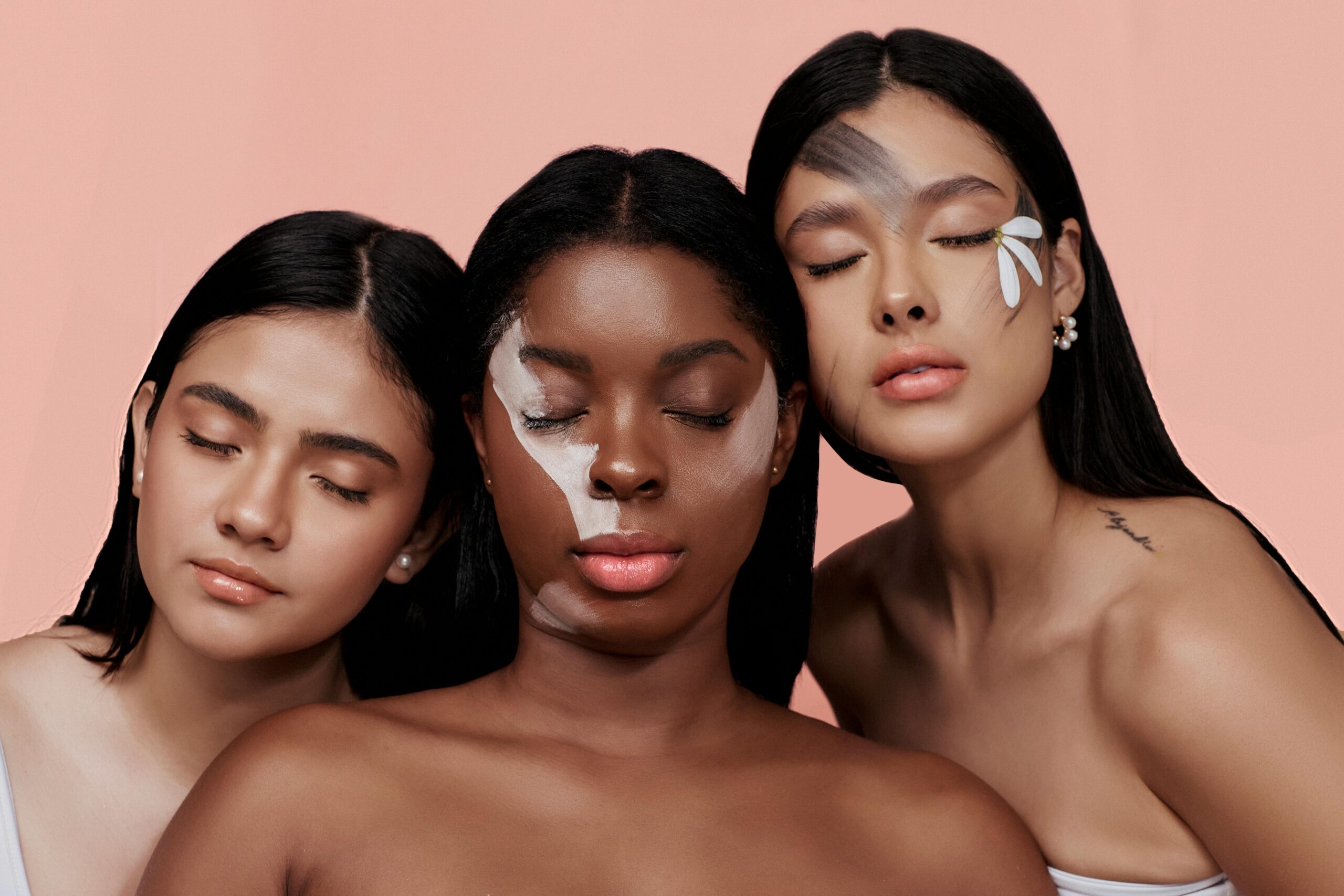
Beauty isn’t just skin-deep—it’s a multi-trillion-dollar economy that mirrors human psychology, technological progress, and cultural shifts. Long after trends fade and packaging redesigns are forgotten, the fundamental question remains the same: why do we invest so much in beauty—and how does this economy sustain itself over centuries of change?
From ancient trade routes carrying rare oils to today’s AI-driven skincare platforms, the beauty industry’s resilience lies in its ability to evolve without losing its core appeal—self-expression and self-care. Understanding this evolution offers insights not just into consumer habits, but into how emotional economies thrive in an increasingly automated world.
The Beauty Industry’s Permanent Pulse
Beauty as a marketplace has transcended time because it fulfills needs that are both personal and social:
- Identity and confidence. Personal grooming and cosmetics remain tied to self-esteem and social perception. Whether through skincare rituals or fashion-forward expressions, beauty products promise confidence—a value that never goes obsolete.
- Cultural storytelling. Throughout history, beauty standards have defined generations. From Cleopatra’s kohl eyeliner to the minimalist “clean girl” aesthetic of today, beauty evolves alongside societal narratives, embedding itself into how we communicate belonging and aspiration.
- Economic adaptability. Beauty continuously pivots with innovation—digital consultations, biotech ingredients, and virtual try-ons sustain economic relevance even amid disruption.
For investors and analysts, this means the sector isn’t subject to fads alone—it’s a durable consumer category that expands alongside technology and wellness.
Data-Driven Beauty: The Science Behind the Glow
The modern beauty industry operates less like fashion and more like healthcare. The shift from “looks” to “longevity” represents a turning point in how people value products. Today’s consumer wants proof—clinical data, ingredient transparency, and sustainability metrics.
A few long-term drivers make this transition evergreen:
- Biotech formulations: From peptides to plant stem cells, ingredient research now blends dermatology with molecular biology. This scientific foundation makes beauty innovation less speculative and more measurable.
- AI and personalization: Predictive algorithms now match consumers to customized routines based on age, climate, and genetic factors. Personalization platforms increase retention by turning skincare into a precision science rather than a guessing game.
- Health-beauty convergence: Nutrition, sleep, and mental wellness link directly to appearance outcomes. As medical research confirms the “inside-out” effect, beauty brands double down on holistic marketing—making wellness and beauty indistinguishable sectors of the next economy.
This merging of aesthetics and science ensures long-term relevance. Even as trends shift, the pursuit of healthier skin and sustainable self-care remains timeless.
The Resilience of Premium Beauty
During economic downturns, beauty often defies contraction—a phenomenon known as the lipstick effect. Consumers may reduce luxury spending but still indulge in affordable items that uplift mood and confidence.
Historically, this pattern repeated through wars, recessions, and pandemics. In uncertain economies, small luxuries dominate—lipstick, skincare, and fragrance sales often rise while apparel and travel budgets fall.
Psychologically, it reveals beauty’s role as an emotional stabilizer, not merely a discretionary expense. Investors view this resilience as an indicator of the sector’s defensive strength. Beauty, unlike tech or travel, doesn’t depend entirely on external conditions—it’s tied to intrinsic human emotion.
Sustainability: The New Standard of Elegance
One of the biggest long-term transformations in the beauty market is sustainability. For decades, packaging, water use, and waste were overlooked in favor of convenience and visual appeal. Now, conscious consumers demand accountability.
Evergreen sustainability pillars include:
- Refillable packaging to reduce global waste.
- Clean formulations tested for environmental safety and ethical sourcing.
- Carbon-neutral supply chains becoming a selling point, especially for luxury brands.
Beyond moral value, sustainability enhances business longevity. Brands that adopt green practices gain regulatory advantages and consumer trust, ensuring survival across generations. Investors increasingly favor beauty startups that integrate circular economy principles—a signal that eco-conscious elegance will define the next century.
Digital Transformation and the Future Consumer
The pandemic accelerated digital adoption across beauty in ways that will never fully revert. Virtual reality try-ons, TikTok-driven discovery, and DTC (direct-to-consumer) personalization redefined engagement.
Now, four digital pillars support long-term relevance:
- Augmented reality retailing: AR-powered virtual try-ons make physical stores optional, expanding global reach.
- Social micro-influencers: Authenticity over celebrity—users follow creators who share real-world product experiences, improving conversion rates.
- E-commerce ecosystems: Seamless integrations between AI chat bots, personal diagnostics, and subscription models create recurring revenue.
- Data ethics: As beauty tech collects biometric and health data, privacy and transparency will become selling points themselves.
Digitalization doesn’t replace the emotional foundation of beauty—it enhances it, allowing timeless rituals to meet modern convenience. This tech-enabled intimacy explains why the beauty economy remains both ancient and cutting-edge.
Beauty’s Role in Cultural Evolution
More than commerce, beauty mirrors society’s ideals. It reflects inclusion, gender identity, and cultural diversity in ways few industries can. The shift toward inclusive shade ranges, gender-neutral design, and representation across global campaigns isn’t a short-term marketing move—it’s a structural evolution.
Consumers increasingly use products as a cultural statement: aligning with sustainability, equality, and authenticity. When brands respond genuinely, they evolve into cultural institutions rather than seasonal labels. In this sense, beauty isn’t just about faces—it’s about values.
This philosophical depth ensures that conversations around beauty remain evergreen. As demographics change, the dialogue only grows richer.
The Beauty Industry’s Timeless Value Proposition
If you strip away trends, platforms, and influencers, the heart of the industry stays the same: beauty offers renewal. Whether through science, psychology, or artistry, it serves as one of humanity’s most consistent forms of hope and creativity.
From a macroeconomic view, beauty functions almost like an emotional utility—something deeply integrated into consumer life cycles and cultural progression. It rewards innovation while respecting ritual, creating endless room for reinvention.
About the Author


