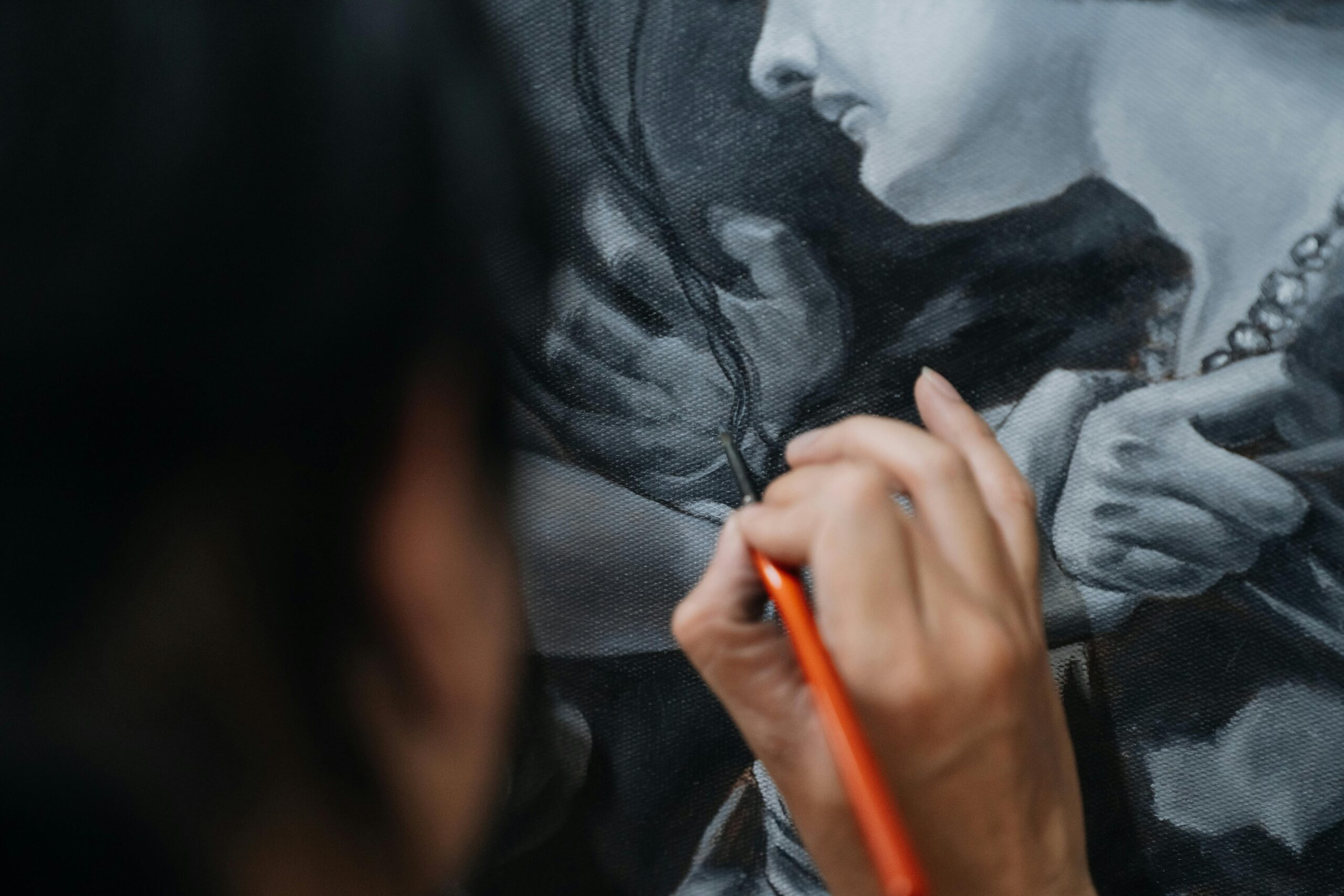
Art has always been more than decoration—it’s a reflection of human resilience, ingenuity, and value creation. In an era dominated by algorithms, AI-generated content, and financial markets that move faster than ever, art keeps reminding us of one fundamental truth: creativity holds its value because it speaks to what’s timeless about human experience.
The Economics of Emotion
Unlike stocks or commodities, the value of art isn’t dictated only by supply and demand—it’s built on emotion, legacy, and shared meaning. When a painting, sculpture, or photograph moves a viewer, it transcends the transactional. That emotional connection has an economic consequence; collectors seek works that embody authenticity and rarity, attributes central to enduring value.
This is why art has become one of the most stable alternative investments, often maintaining or increasing in value while other markets fluctuate. A report from Citi Private Bank found that art assets tend to outperform equities during periods of high inflation. But the underlying reason isn’t just portfolio diversification—it’s the fact that creative excellence never becomes obsolete.
Art as a Long-Term Index of Culture
Art functions like a cultural index—tracking shifts in human thought, aesthetics, and technological influence. Renaissance paintings remind us of innovation in scientific perspective; Cubism reflects modern fragmentation; contemporary digital art captures the tension between creativity and machine precision.
These historical touchpoints give art permanence beyond the artist’s lifetime. Each era’s masterpieces tell us how people reacted to the world around them—and continue to inform markets, branding, and even product design today. Corporations and investors who understand these trends often gain a unique edge: art doesn’t just illustrate culture; it anticipates it.
The Power of Tangibility in a Digital World
Society is shifting toward digital ownership—NFTs, tokenized art, and virtual galleries—but physical art maintains a lasting allure. Tangibility conveys legitimacy. A canvas hanging in a gallery carries stories of texture, technique, and presence that a pixel grid cannot replicate.
Digital art is certainly expanding the definition of creativity, but even there, value stems from scarcity and narrative. A blockchain may prove authenticity, yet the appeal remains deeply human—the desire to own something unique that captures emotion in form. Investors continue to lean on tangible art as a hedge against technological volatility, trusting in craftsmanship’s permanence.
Creativity as Capital
For centuries, art has reflected power and prosperity—from Medici Florence to Rockefeller New York. But today, creativity has become a more universal form of capital. Corporations invest heavily in design, storytelling, and aesthetics because they recognize art’s impact on perception and brand equity.
The “creative premium” isn’t just visible in galleries—it shapes how companies differentiate themselves. Sleek product packaging, architectural design, and advertising campaigns that resonate globally all rely on artistic principles. That’s why firms like Apple, Tesla, and Nike consistently employ artists and designers not as decorators, but as strategists. Innovation thrives when businesses think like artists.
Art, AI, and the Reinvention of Value
Artificial intelligence has entered the art world, raising new questions about authorship, originality, and value. AI-generated works sell at prestigious auction houses, yet debates persist over whether creativity can be replicated by code.
Here’s the paradox: while algorithms may predict styles or synthesize images, they cannot feel. Art’s enduring worth lies in its origin—the human hand, mind, and emotion behind it. Machines can assist creation, but meaning comes from the maker’s intent. The future of art may fuse human imagination with algorithmic precision, but authentic expression will remain the ultimate currency.
The Timeless Appeal of Ownership
Art collectors describe their investments not just in financial terms but emotional ones. Owning art is akin to holding a piece of human history—a moment captured in pigment or stone that transcends economic cycles. The intrinsic appeal of art is that its value endures, even as tastes evolve and technology advances.
Economic downturns have proven this repeatedly. While equities dip, masterpieces continue to sell. Even emerging artists gain traction because art connects people during uncertainty—it humanizes finance, turning capital into culture.
Why Art Will Always Matter
In an age defined by data and disruption, art offers continuity. It bridges generations, industries, and perspectives. Its value isn’t just monetary—it’s intellectual, emotional, and societal. For investors, creators, and thinkers alike, the lesson is clear: while markets move and technologies fade, creativity remains humanity’s most reliable return on investment.
To understand art is to understand the economy of meaning—a realm where beauty, scarcity, and innovation converge. It’s why civilizations rise on their art and why modern economies still turn to creativity for growth. Simply put, art endures because it’s built on something no market can quantify completely: the human spirit.
About the Author


