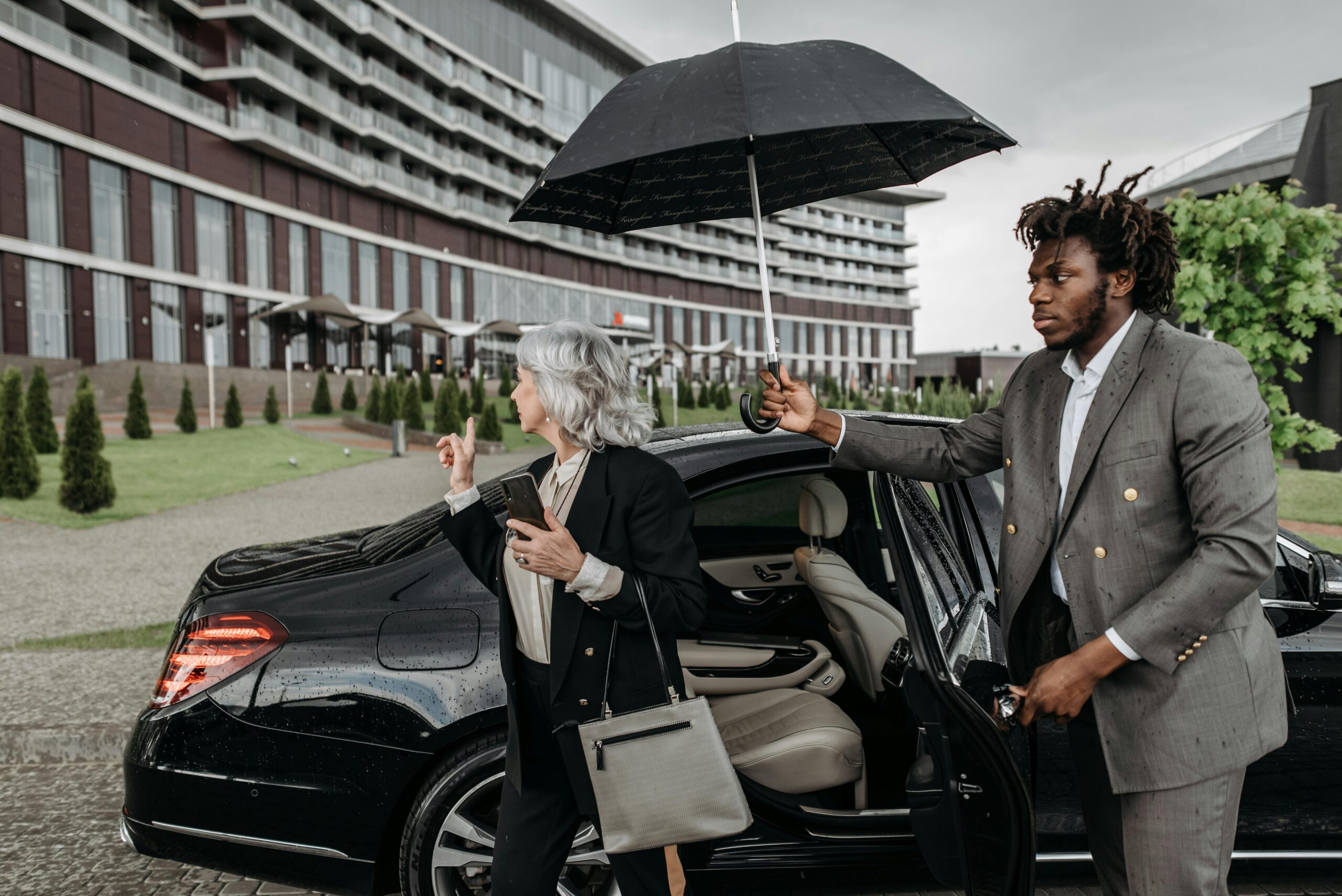
Luxury is often misunderstood as a simple function of price. In reality, it is a complex and carefully engineered perception—one that blends scarcity, craftsmanship, storytelling, and emotional resonance into a powerful economic force. While trends come and go, the underlying principles that define successful luxury brands remain remarkably consistent over time.
For businesses operating in or aspiring to enter the luxury sector, understanding these evergreen principles is essential. This article explores the foundational strategies that sustain long-term success in luxury markets, offering insights that remain relevant regardless of shifting consumer behavior or economic cycles.
Defining Luxury Beyond Price
At its core, luxury is not about cost—it is about value perception. A luxury product or service delivers something intangible: a sense of exclusivity, identity, and emotional satisfaction.
Consumers do not simply purchase luxury goods; they invest in experiences, narratives, and status signals. This is why two products with similar functional utility can differ dramatically in price. The distinction lies in brand positioning, heritage, and perceived uniqueness.
Luxury brands succeed when they elevate their offerings beyond utility and into the realm of meaning.
Scarcity as a Strategic Asset
Scarcity is one of the most enduring pillars of luxury. Unlike mass-market brands that scale through accessibility, luxury brands maintain desirability by limiting supply.
This scarcity can take multiple forms:
- Limited production runs
- Exclusive access or membership
- Controlled distribution channels
- Long waiting lists
Scarcity creates anticipation and reinforces the perception that ownership is a privilege rather than a transaction. Importantly, this must be authentic—artificial scarcity without underlying demand can erode credibility.
In a world of abundance, rarity becomes inherently valuable.
Craftsmanship and Quality as Non-Negotiables
Luxury brands are built on uncompromising standards. Craftsmanship is not just a feature—it is a foundational expectation.
High-quality materials, meticulous attention to detail, and superior durability contribute to the long-term value of luxury goods. But beyond the physical attributes, craftsmanship tells a story of expertise, heritage, and dedication.
Consumers associate luxury with excellence. Any deviation from this expectation can have outsized consequences for brand reputation.
In this sense, quality is not a differentiator in luxury—it is the baseline.
Heritage and Storytelling
Many of the world’s most successful luxury brands leverage decades, if not centuries, of history. Heritage provides credibility and depth, reinforcing the idea that the brand has stood the test of time.
However, even newer brands can create powerful narratives. The key lies in storytelling:
- The origin of the brand
- The philosophy behind the product
- The people and processes involved in creation
Effective storytelling transforms products into symbols. It allows consumers to connect emotionally with the brand, turning purchases into personal statements.
In luxury, narrative is as valuable as the product itself.
Brand Consistency and Identity
Consistency is critical in maintaining a luxury brand’s identity. Every touchpoint—from product design to customer service—must align with the brand’s core values.
This includes:
- Visual identity (logos, packaging, design language)
- Tone of communication
- Retail and digital experiences
- Customer interactions
Inconsistent messaging can dilute brand equity and create confusion. Luxury brands must operate with precision, ensuring that every element reinforces the same perception of exclusivity and excellence.
Pricing Strategy: The Power of Premium Positioning
Pricing in the luxury sector is both a reflection and a driver of brand perception. Premium pricing signals quality, exclusivity, and status.
However, effective pricing requires careful balance:
- Too low, and the brand risks losing its luxury positioning
- Too high, without justification, and it may alienate customers
Luxury pricing must be supported by tangible and intangible value. It is not simply about charging more—it is about creating an ecosystem where higher prices feel justified.
Interestingly, luxury demand can sometimes increase as prices rise, a phenomenon often associated with prestige-driven consumption.
The Role of Experience
Luxury is increasingly defined by experiences rather than products alone. Consumers expect seamless, personalized interactions at every stage of the journey.
This includes:
- Curated retail environments
- High-touch customer service
- Personalized recommendations
- Exclusive events or access
The experience must feel effortless and tailored. Every interaction should reinforce the brand’s commitment to excellence.
In many cases, the experience becomes the primary value driver, with the product serving as a tangible extension of that experience.
Digital Transformation Without Dilution
The rise of digital platforms has reshaped how luxury brands engage with consumers. While traditional luxury emphasized exclusivity through physical spaces, modern brands must balance accessibility with prestige online.
Key considerations include:
- Maintaining a premium aesthetic in digital environments
- Limiting overexposure on mass platforms
- Leveraging data for personalization without compromising privacy
- Creating immersive online experiences
Digital transformation is essential, but it must be executed in a way that preserves the brand’s core identity.
Globalization and Cultural Sensitivity
Luxury is a global business, but success requires local relevance. Brands must navigate diverse cultural expectations while maintaining a consistent identity.
This involves:
- Adapting marketing strategies to regional preferences
- Understanding cultural symbolism and values
- Building relationships with local consumers
Global reach should not come at the expense of authenticity. The most successful luxury brands strike a balance between universal appeal and localized resonance.
Sustainability and Ethical Responsibility
Modern luxury consumers increasingly prioritize sustainability and ethical practices. Transparency, responsible sourcing, and environmental stewardship are no longer optional—they are expected.
Luxury brands have a unique opportunity to lead in this space due to their emphasis on quality and longevity.
Key strategies include:
- Sustainable materials and production processes
- Ethical labor practices
- Circular economy initiatives (repair, resale, recycling)
Sustainability aligns naturally with luxury’s focus on durability and timelessness. When executed authentically, it enhances brand value rather than detracting from it.
The Psychology of Luxury Consumption
Understanding why consumers purchase luxury goods is critical. While motivations vary, several common drivers emerge:
- Status signaling: Demonstrating success or social standing
- Self-expression: Communicating identity and personal values
- Emotional reward: Experiencing pleasure, confidence, or fulfillment
- Investment mindset: Viewing products as long-term assets
Luxury brands must tap into these psychological drivers without appearing transactional. The goal is to create desire, not pressure.
Innovation Within Tradition
While heritage is important, stagnation can be dangerous. Luxury brands must innovate while respecting their core identity.
This can take the form of:
- New product lines or collaborations
- Technological integration
- Evolving customer experiences
Innovation should feel like a natural extension of the brand, not a departure from it. The challenge lies in evolving without losing authenticity.
Long-Term Brand Building Over Short-Term Gains
Perhaps the most important principle in luxury is patience. Building a luxury brand is a long-term endeavor that prioritizes reputation over rapid growth.
Short-term tactics—such as excessive discounting or overexposure—can undermine long-term value.
Successful luxury brands focus on:
- Protecting brand equity
- Maintaining exclusivity
- Delivering consistent quality
In an era driven by immediacy, the willingness to think long-term becomes a competitive advantage.
Conclusion: The Enduring Blueprint of Luxury
Luxury is not defined by trends, but by principles. Scarcity, craftsmanship, storytelling, consistency, and experience form the foundation of enduring success in the sector.
While technology, consumer preferences, and global markets will continue to evolve, these core elements remain constant. Businesses that understand and apply these timeless strategies can build brands that not only survive but thrive across generations.
In the end, luxury is less about what is sold and more about what is felt. It is the art of creating meaning, elevating experiences, and sustaining desire—an art that, when mastered, transcends time.
About the Author


